
Plan Your Program
Fit your learning into real life.
Nearly all our students juggle work, family, or ministry while studying, whether full-time or part-time, on campus or at a distance. Our unique academic calendar is carefully designed to be both personal and predictable.
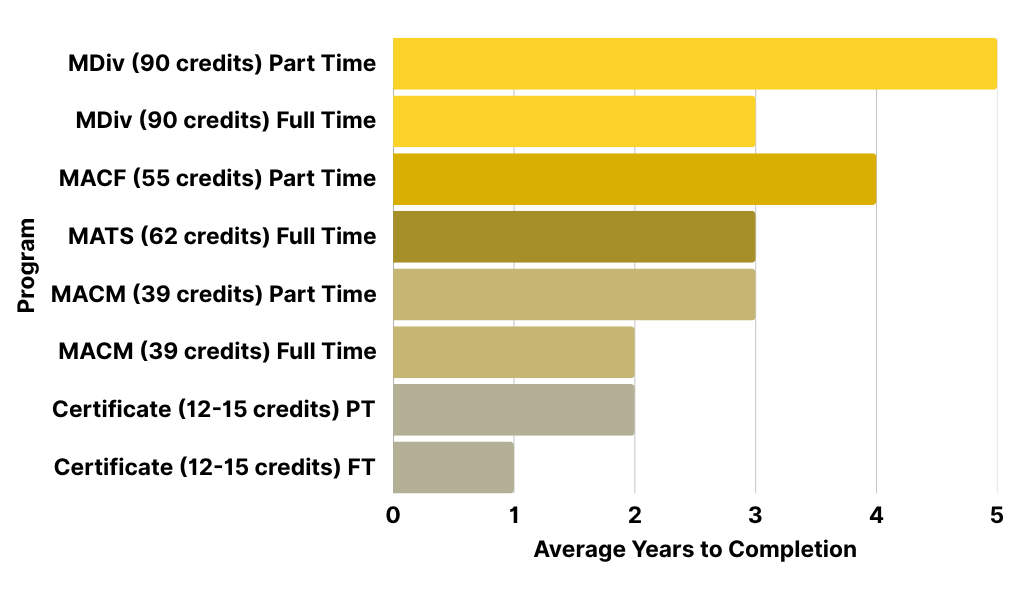
Program lengths
How long does it take to complete a degree or certificate program?
Compare degrees
Planning by degree
These course sequence documents published by Academic Services provide ideal pathways for the following degrees, including full- and part-time options.
Plan your year
Twice each academic year, our learning community gathers in person for relationship and embodied education. The fall campus immersion and summer intensive are required for most programs and are scheduled far in advance for optimal planning.
Throughout each term, our online interactive classrooms provide flexibility—whether students attend on campus or from across the country.
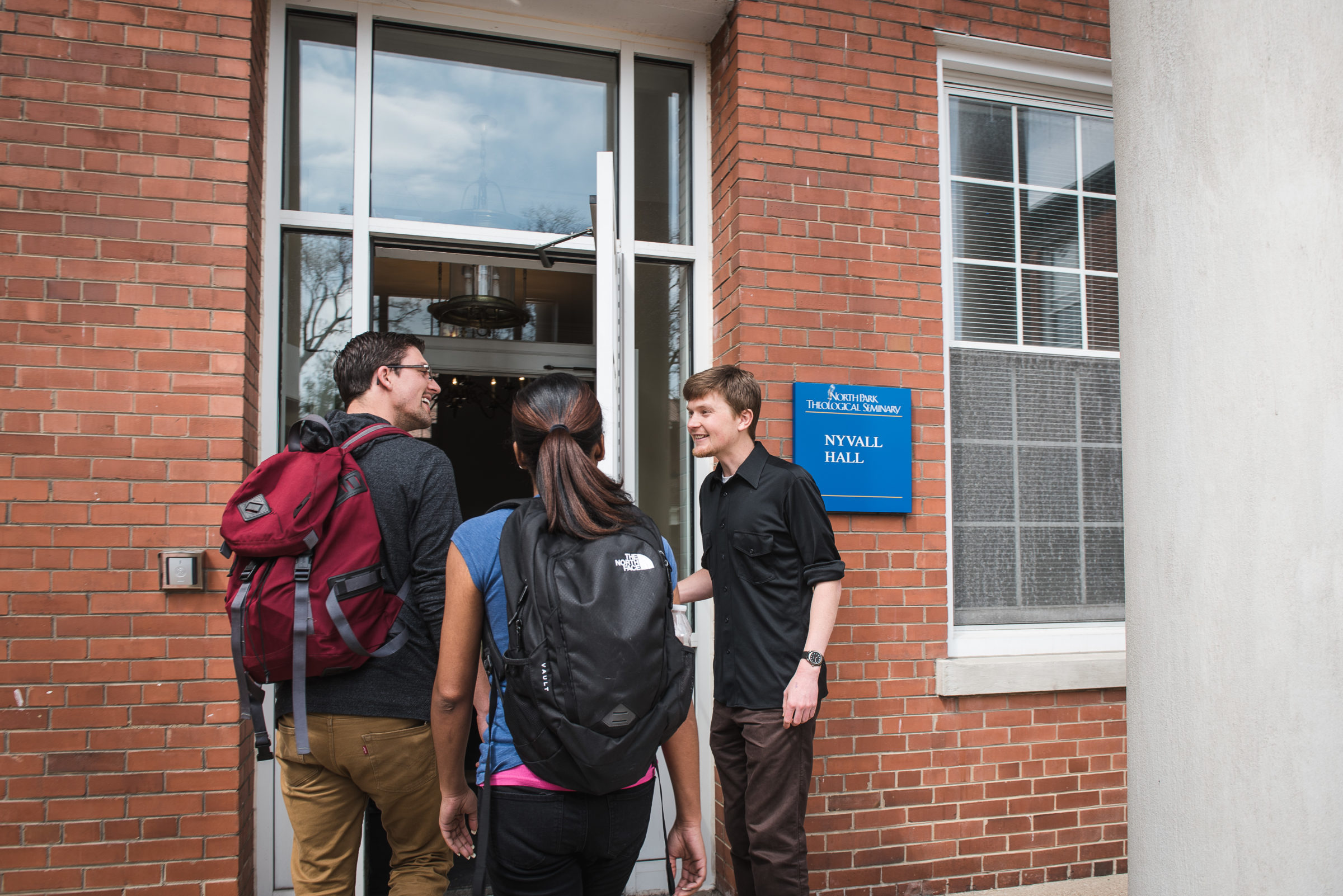
September
Fall campus immersion
Half-week immersion
Begin your program on the right foot. Meet your cohort, worship and pray together, and tour research archives. You’ll also plan with your academic advisor and financial aid officer.
Week on campus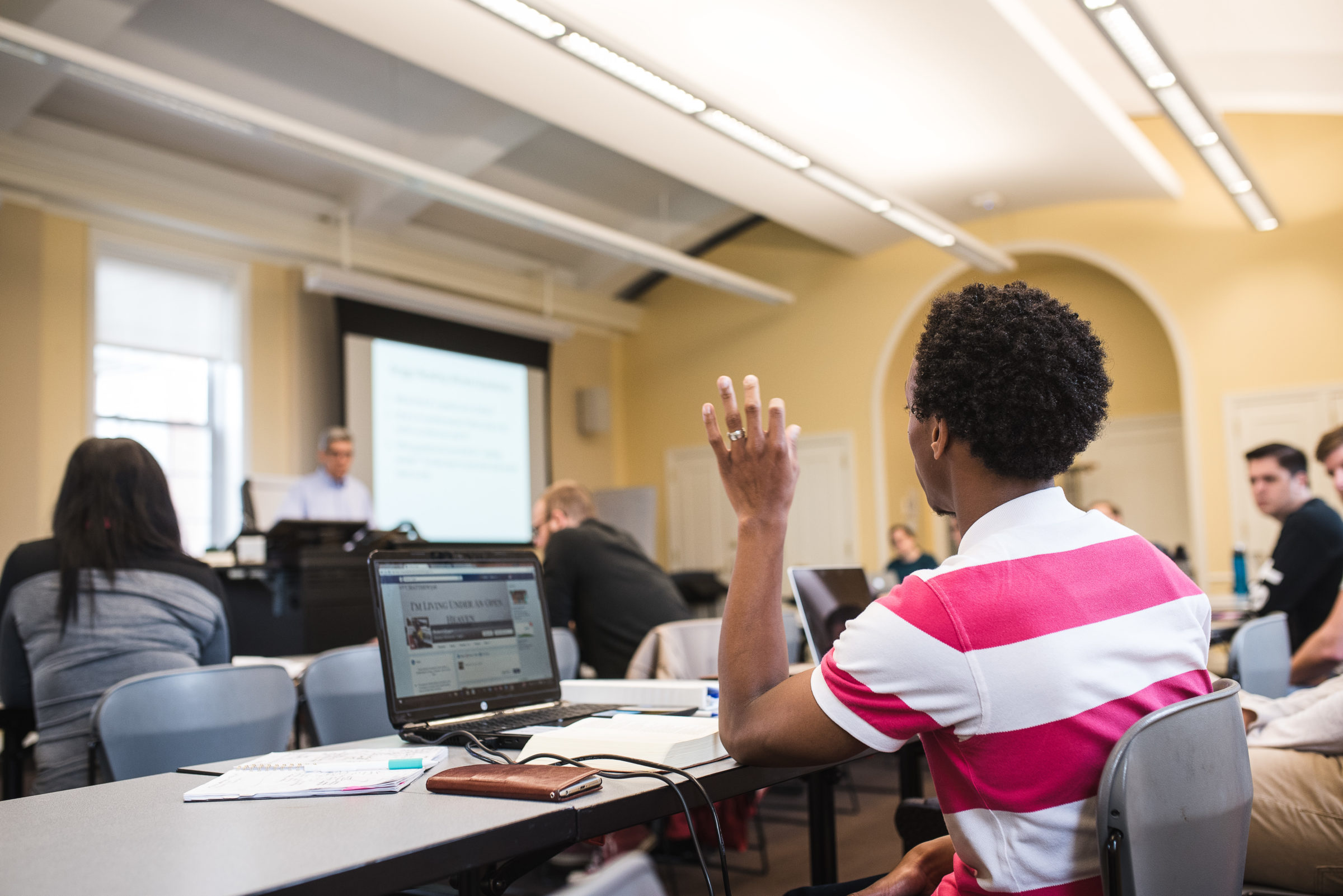
August–December
Fall term
Coursework
This 16-week semester is when you’ll study your primary coursework. We offer most classes in hybrid and in-person modalities.

January–May
Spring term
Coursework
This 16-week semester is when you’ll study your primary coursework. We offer most classes in hybrid and in-person modalities.
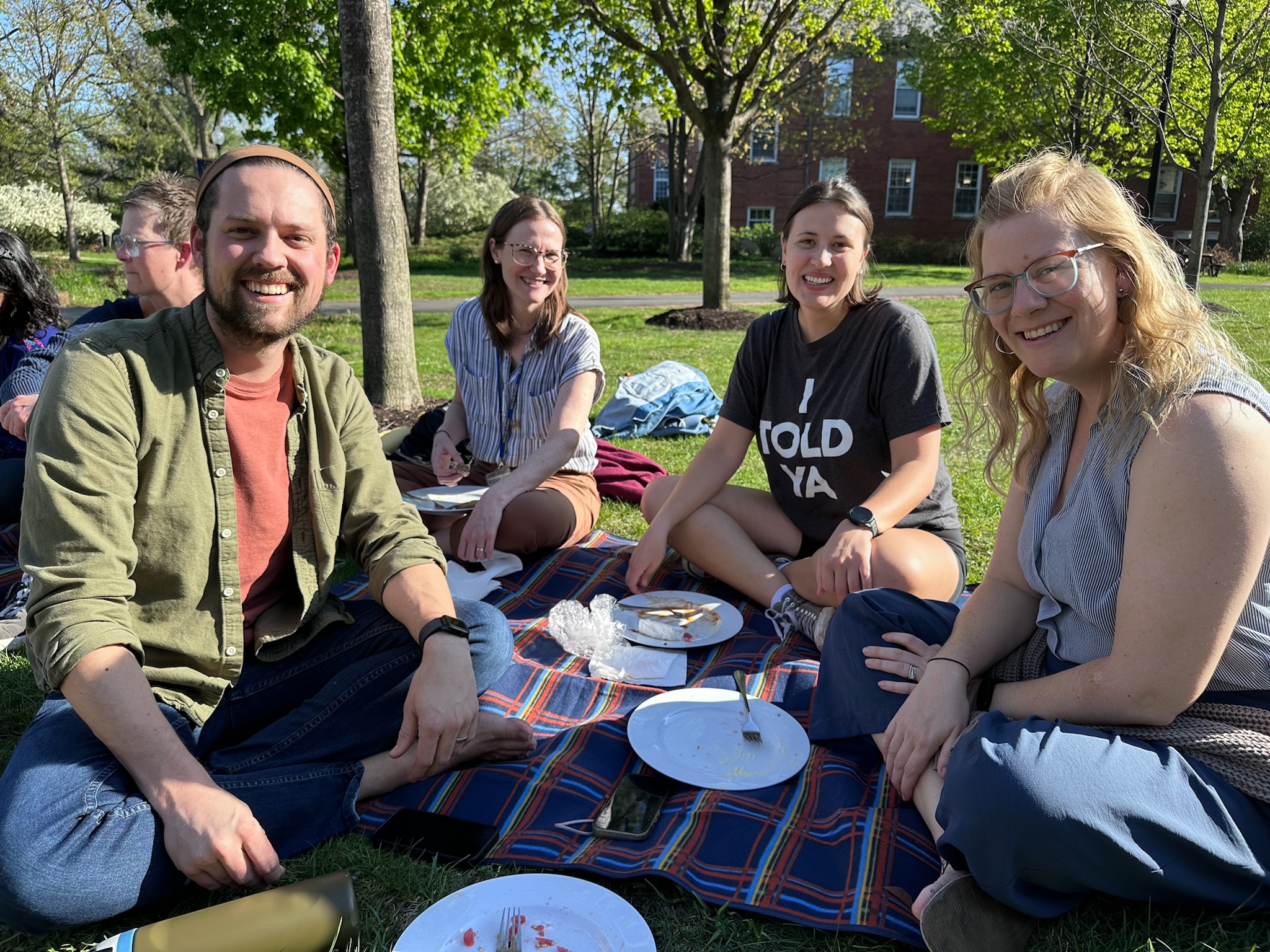
June
Summer campus intensive
Five-day intensives
During this week, we host accelerated academic study for electives best learned in person. You’ll also meet students across cohorts.
Week on campusSpiritual growth requires more than video calls.
Our classrooms use the latest online learning technology to connect distance, commuter, and on-campus students in one collaborative environment. At the same time, each of our thoughtfully designed master’s degree programs includes two required in-person sessions each year.
How does it work?
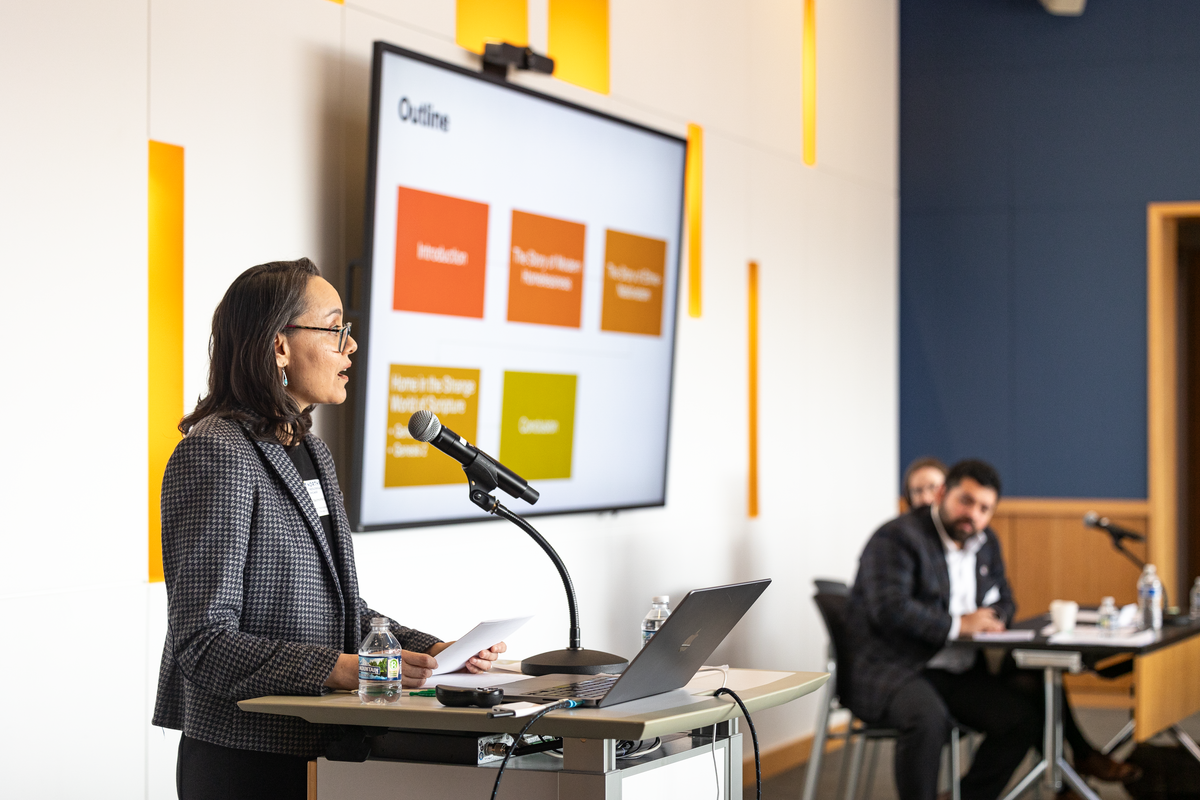
- Fall immersion and summer intensives bring our learning community—including distance students—together twice a year for experiential growth and in-person relationships with professors and peers.
- Semester course sessions are scheduled for predictability, with weekly classes scheduled on the same nights to fit ongoing life and ministry commitments.
- Our hybrid classrooms use state-of-the-art video conferencing, enabling faculty and students—both online and in person—to interact seamlessly and personally.
- Our instructors provide a portion of the course content in on-demand formats (such as videos), so students can plan their own focus time.
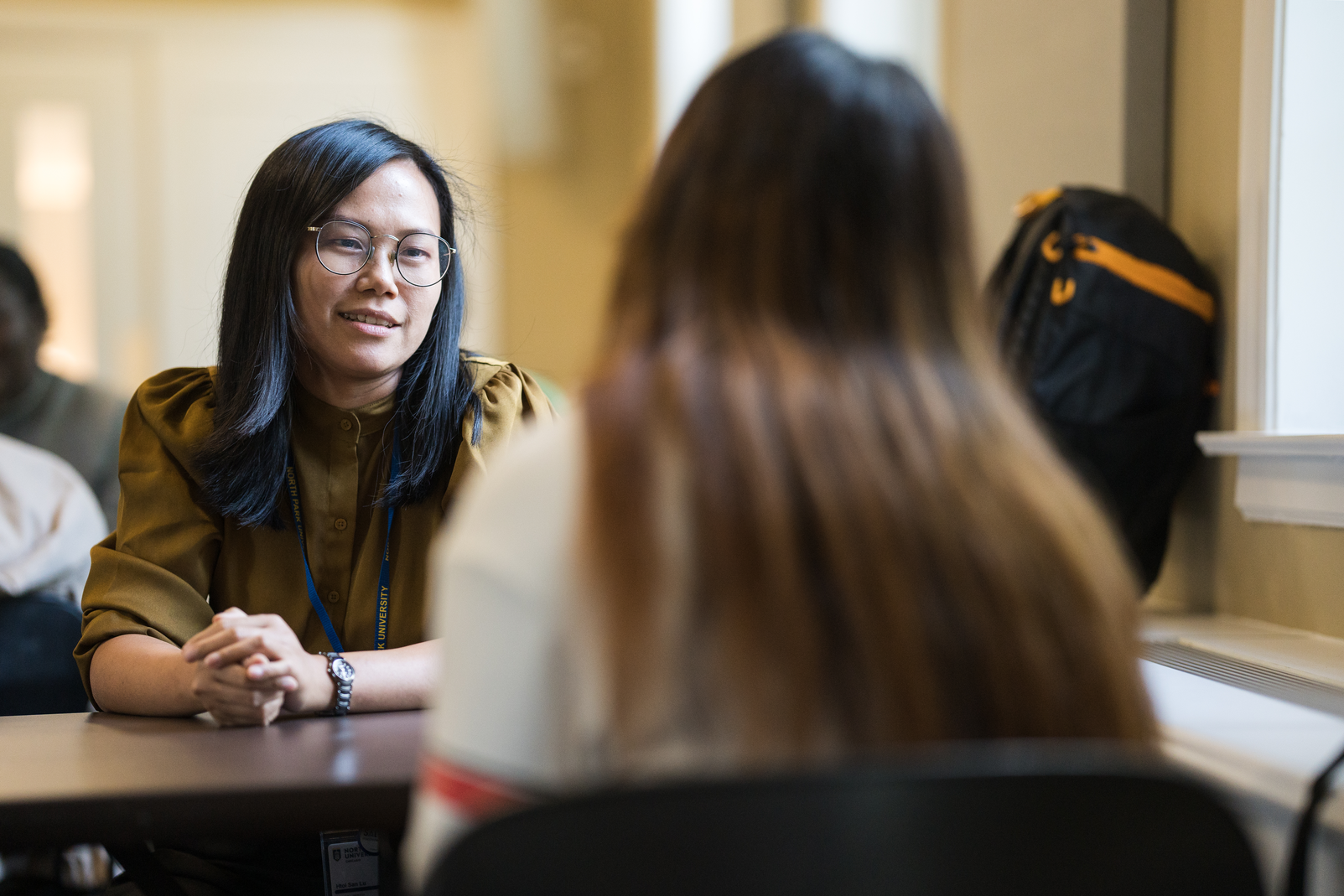
Why require in-person experiences?
We believe—shaped by our Christian Pietist roots—that holistic theological education requires spiritual growth through grounded experience and embodied engagement. Many faculty and students live within walking distance of our historic campus, sharing meals and prayer. It’s part of who we are.
It’s also a best practice in educational practice. We’ve blended online technology with in-person engagement to craft programs that form the whole person. Some students choose an immersive on-campus life. Others will join regional cohorts or study remotely. Yet each year, we return for personal and spiritual connection in an increasingly distant world.
Plan your week
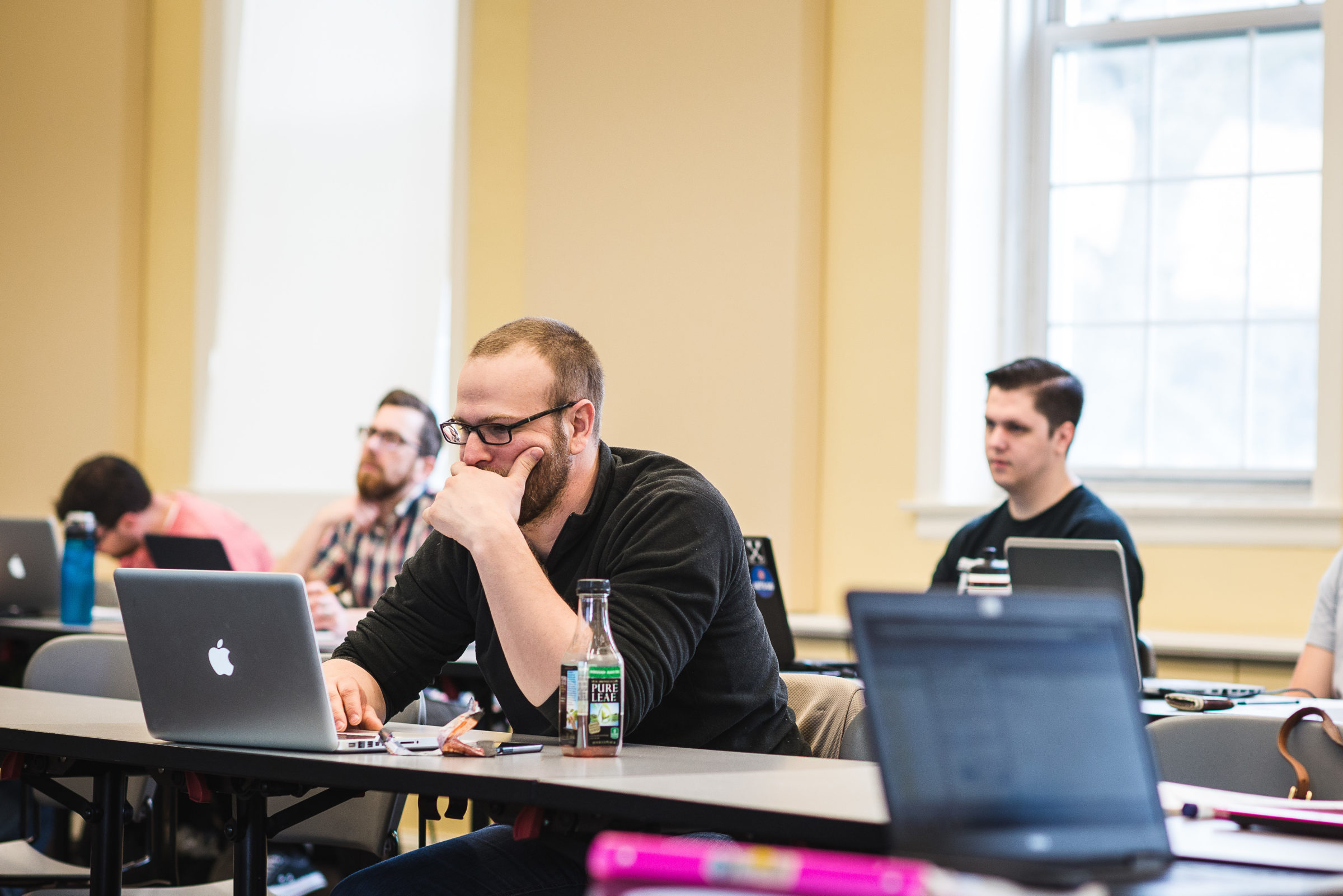
Courses are scheduled on the same weeknights throughout the term (currently Tuesday or Thursday evenings), so students can plan ahead. Most three-credit-hour courses feature a 1.5-hour interactive class session, and an additional 1.5 hours of core content on your own time. Reading and personal study—we recommend two–three hours per credit—happen on your own throughout the week.
Below is a sample schedule of a part-time Master of Divinity student.
S |
M |
Tu |
W |
Th |
F |
S |
|---|---|---|---|---|---|---|
| 8:00 p.m. – Study night |
4:30 p.m. – Community worship
5:00 p.m. – Community dinner (main campus)
5:45 p.m. – “Old Testament 1: Pentateuch and Interpretation”
7:30 p.m. – “Christian History 1: The Early Church to the Reformation” |
12:00 p.m. – Watch recorded lecture
1:00 p.m. – Post in online discussion
Thursday evening courses are offered, but I am not taking any this term. |
Reading and study day |
Scheduled courses
While the academic catalog lists all courses taught by North Park faculty, not every class is offered each term. Students plan with their academic advisor to ensure they meet their degree requirements on schedule while selecting electives that fit their interests.
Contact
Academic Services
Nyvall Hall, room 116 A
5110 N. Spaulding Ave.
Chicago, IL 60625
(773) 244-5261
semacademicserv@northpark.edu
Mailing address
3225 W. Foster Ave., Box 14
Chicago, IL 60625